From Heat to Chill: Why Contrast Therapy Is a Game-Changer

Wellness trends come and go, but some practices stand the test of time.
In this article, we uncover the secret from heat to chill and look at why contrast therapy is a game-changer.
One method currently enjoying renewed attention among athletes, homeowners, and spa enthusiasts is contrast therapy. Sometimes called hot-cold therapy, this approach alternates between warm and cold temperatures to support recovery, sharpen focus, and promote whole body wellness.
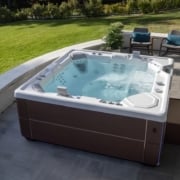
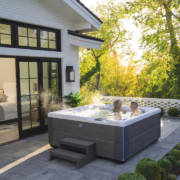
If you already enjoy relaxing in a hot tub, you’re off to a great start. Pair that heat with cold exposure in a cold plunge, and you can create a research-supported recovery routine without ever leaving home.
What Is Contrast Therapy?
Contrast therapy is a recovery technique that intentionally cycles the body through warm and cold environments. A typical session might involve soaking in a hot tub around 102–104°F, followed by a short immersion in a cold plunge near 50–60°F. This repeated shift encourages circulation, helps muscles feel refreshed, and boosts mental alertness.
After just a few rounds, many people notice reduced stiffness and a renewed sense of energy.
How it works in simple terms:
- Heat relaxes muscles and increases blood flow.
- Cold tightens blood vessels and calms inflammation.
- Switching between the two creates a powerful restorative effect.
While the practice may feel modern, hot-and-cold bathing has been used for centuries across many cultures. What is new is the growing body of scientific evidence supporting its benefits and its accessibility for recreating at home.
Why Hot and Cold Exposure Affects the Body
Contrast therapy influences both the circulatory and nervous systems in meaningful ways:
- Heat exposure helps loosen muscles, increases circulation, and eases everyday aches.
- Cold exposure temporarily constricts blood vessels, reduces soreness, and stimulates the release of norepinephrine—a hormone linked to alertness and focus.
- Alternating temperatures cause blood vessels to repeatedly expand and contract, helping move blood more efficiently through the body.
This process helps explain why contrast therapy can feel both calming and energizing at the same time.
Benefits That Go Beyond Relaxation
Contrast therapy isn’t just about feeling good in the moment. Research and anecdotal evidence suggest it may support:
- Reduced muscle soreness after activity
- Less joint stiffness and discomfort
- Improved circulation
- Clearer mental focus
- Better stress regulation and overall resilience
Many people also report improved sleep quality when contrast therapy becomes part of a consistent routine.
Who Tends to Benefit Most?
Contrast therapy can be enjoyed by a wide range of people, including:
- Athletes looking to support recovery
- Weekend DIYers and outdoor enthusiasts
- Individuals managing everyday joint or muscle discomfort
- Active adults focused on mobility
- Wellness-minded individuals interested in mindfulness and stress relief
Important: Anyone with cardiovascular conditions, high blood pressure, nerve disorders, or who is pregnant should consult a medical professional before starting contrast therapy.

Creating a Contrast Therapy Setup at Home
The warm side of the routine is easy if you already own a hot tub. Even without one, there are several effective alternatives.
Heat Options
- Hot showers followed by a cold rinse.
- Bathtub soaks: Warm water (100–104°F) can replicate a hot soak. Epsom salts are a popular add-on.
- Saunas or steam rooms: Increasingly popular for home use.
- Heating pads or blankets: Useful for warming targeted muscle groups.
- Localized soaking: Warming hands or feet before cold exposure can still deliver benefits.
While these options work, a hot tub offers unmatched comfort, consistency, and full-body immersion, making it a cornerstone of your at-home wellness routine.

Cold Options
- Cold showers: No equipment required, quick and effective.
- Stock tanks or DIY tubs: Budget-friendly and backyard ready.
- Inflatable plunge tubs: Portable and easy to store.
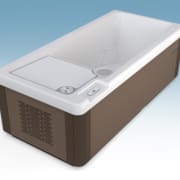
- Dedicated cold plunge units: Offer precise temperature control and advanced filtration. (Find at Fiesta!)
Recommended Timing and Temperatures
While routines vary, many professionals suggest the following framework:
- Warm phase: 3–5 minutes at 100–104°F
- Cold phase: 30–60 seconds at 50–60°F
- Cycles: 3–4 rounds, finishing with cold
Sample routine:
- Relax in the hot tub for four minutes
- Transition to a cold plunge for 45 seconds
- Repeat for three cycles
- End cold, dry off, and allow the body to warm naturally
Why a Cold Plunge Pairs Perfectly With a Hot Tub
A hot tub already provides relaxation, circulation, and stress relief. Adding a cold plunge elevates the experience:
- Heat soothes and loosens muscles
- Cold reawakens the senses
- Together, they create a balanced recovery ritual
For hot tub owners, incorporating cold exposure enhances both wellness and the overall value of your setup. It turns your backyard into your own personal recovery retreat.
Cold Plunge Options and Upkeep
Cold plunge solutions range from simple to sophisticated:
- Entry-level: Stock tanks or inflatables
- Mid-range: Insulated tubs designed for ice use
- High-end: Temperature-controlled plunge systems with filtration
Maintenance basics:
- Keep water clean with proper filtration or sanitization
- Use a cover when not in use
- Drain and refresh water regularly for basic setups
Safety reminders:
- Begin with brief cold exposure
- Avoid extremely cold temperatures unless experienced
- Exit immediately if you feel lightheaded or numb
Making Contrast Therapy Part of Daily Life
Contrast therapy can be tailored to fit your schedule:
- Morning reset: Short heat followed by a quick cold plunge
- Post-workout recovery: Full cycles after exercise
- Evening wind-down: Extended hot soak with a brief cool finish
It also complements stretching, breathing exercises, and meditation for a more complete wellness routine.
Is Contrast Therapy Worth Adding to Your Routine?
Contrast therapy is simple to practice, well-supported by science, and delivers both physical and mental benefits. If you already own a hot tub or are considering one, adding cold exposure isn’t just a trend.
It’s a natural next step toward a more complete home wellness experience.
By experimenting with timing, temperature, and frequency, you can build a routine that supports recovery, reduces stress, and helps you feel your best day after day.
Come see us at either of our locations to learn more!