Cold Plunge vs. Ice Bath: Which One Is Right for You?
You’ve heard the buzz. Cold therapy is everywhere right now, showing up in wellness podcasts, gym locker rooms, and social media feeds. But when people say they “do cold plunges,” they don’t all mean the same thing. Some are filling a chest freezer with ice for an ice bath. Others are investing in a dedicated cold plunge unit designed specifically for the experience.
So what’s the difference, and which one is right for you?
Let’s break it down.
What Is an Ice Bath?
An ice bath is exactly what it sounds like: a container of water, a bag (or several bags) of ice, and you. People have used this method for decades, especially athletes looking to recover after hard training sessions. The setup is low-cost and accessible. You can use a bathtub, a stock tank, or even a large plastic bin.
The downside is just as straightforward. Ice melts. That means your water temperature is constantly changing, and hitting your target range requires guesswork and a thermometer. You also have to buy ice regularly, haul it, and deal with the mess. For a one-time recovery session, that might be fine. As a daily or near-daily wellness habit, it gets old fast.
There is also a real concern for comfort and safety.
Because the water temperature in a DIY ice bath is hard to control precisely, it is easy to accidentally overshoot into a range that puts real stress on your body. Research from the University of Florida Health confirms that extremely cold water, particularly below 47 degrees Fahrenheit, can trigger sharp increases in heart rate and blood pressure.
Knowing exactly what temperature you are stepping into matters.
What Is a Cold Plunge?
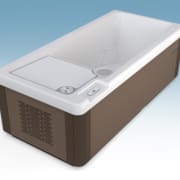
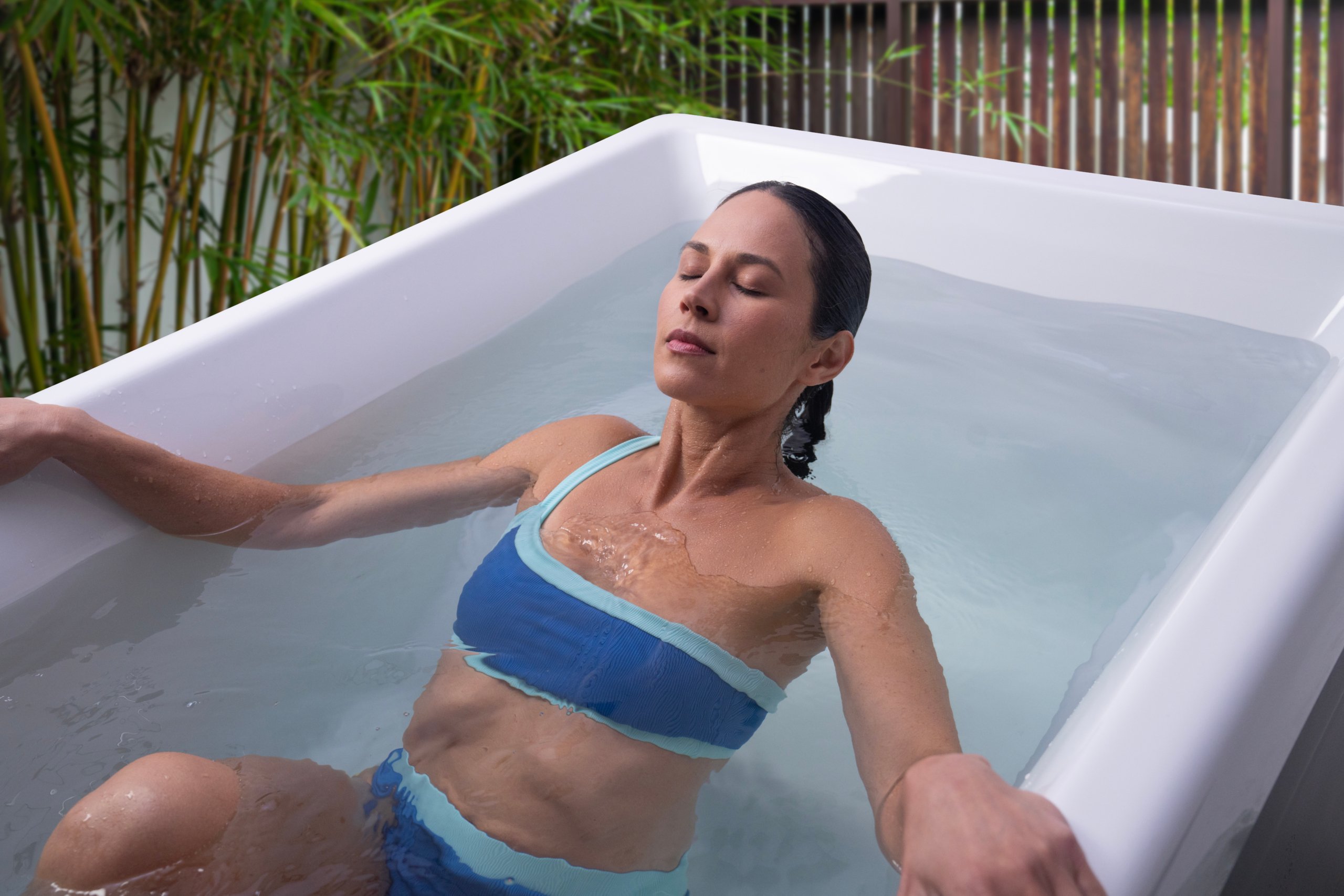
A dedicated cold plunge unit is a system designed to maintain a consistent water temperature within a set range. You dial in your temperature, and it stays there. No ice runs, no guesswork, no fluctuation mid-session.
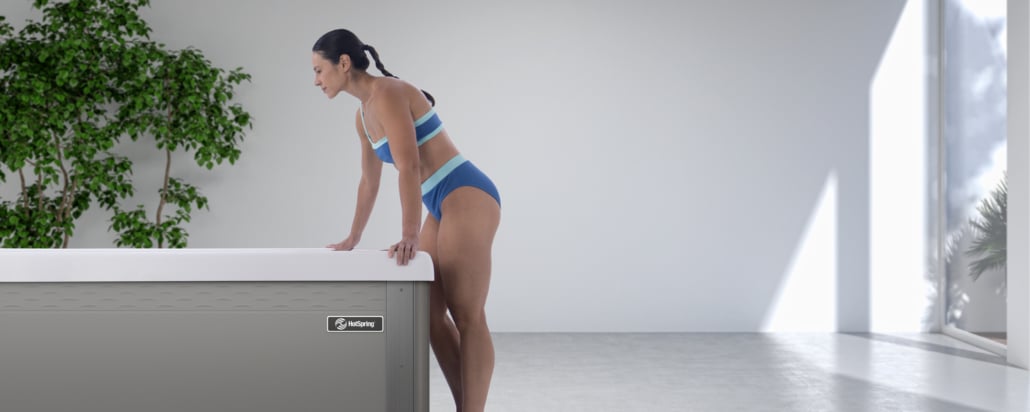
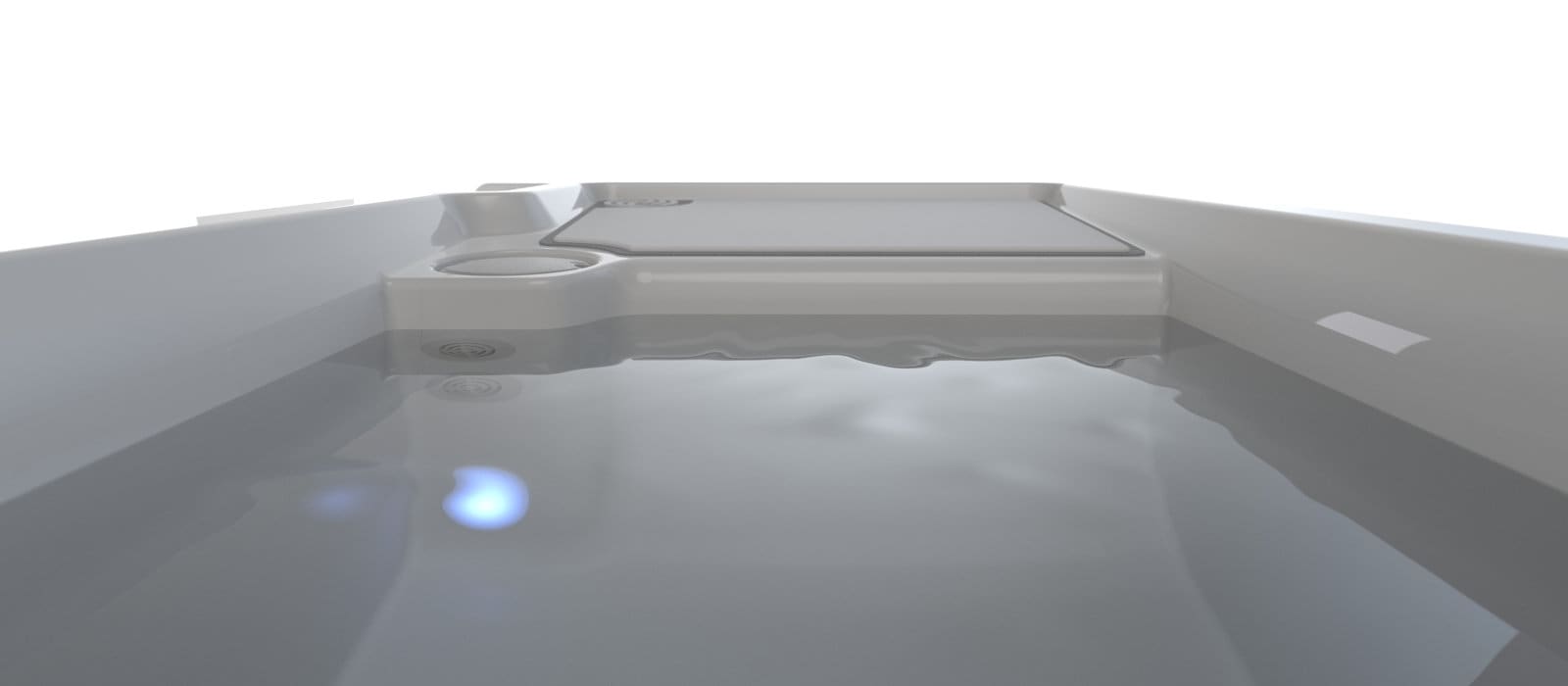
Units like the Hot Spring Vigor Cold Plunge cool water down to 40 degrees Fahrenheit and hold it there with a whisper-quiet pump and a built-in filtration and sanitation system. The water stays clean between uses, the temperature stays precise, and the ergonomic design means you are actually comfortable enough to focus on your breathing and settle into the session.
That consistency is more important than it might seem. Building a sustainable cold plunge habit depends on being able to replicate the experience. If every session feels different because the water temperature is never the same, it is hard to track progress or establish a routine.
The Benefits: What the Research Actually Says
Both ice baths and dedicated cold plunges deliver cold water immersion. They do share the same core physiological benefits when done correctly. According to Mayo Clinic Health System, cold water immersion has been shown to reduce exercise-induced muscle damage and inflammation, help restore physical performance, improve cognitive function, and support mood.
Studies also point to a significant increase in dopamine, up to 250% above baseline, with the elevation lasting for several hours after a session.
The key phrase is “when done correctly.” This is where the ice bath and the cold plunge start to diverge in practice.
With an ice bath, the lack of temperature control means you may experience a different physiological response each time. Too warm, and you are not getting the cold shock response that drives those neurochemical benefits. Too cold and you risk the kinds of stress on your cardiovascular system that can make the practice unsafe, particularly for people with underlying health conditions.
A dedicated cold plunge unit lets you consistently target the research-backed sweet spot. For most people, that is somewhere between 45 and 60 degrees Fahrenheit. Beginners often start closer to 55 to 60 degrees, where the water is cold enough to trigger real benefits but not so extreme that it becomes dangerous or discouraging.
The Practical Differences
Here is an honest side-by-side look at the two approaches:
Cost: Ice baths have a low upfront cost but an ongoing expense. Ice is not free, especially if you are plunging several times a week. A cold plunge unit is a larger initial investment, but the per-session cost is minimal once it is installed.
Maintenance: Ice baths require draining, refilling, and buying fresh ice. A cold plunge with proper filtration keeps the water clean automatically and requires far less hands-on maintenance.
Temperature control: This is where the gap is widest. A dedicated unit holds your exact target temperature every time. An ice bath does not.
Convenience: A cold plunge in your backyard is ready when you are, day or night. An ice bath requires prep work before every session.
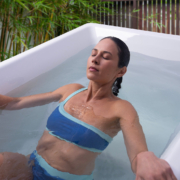
Experience: The ergonomic design of a unit like the Vigor makes it easier to relax into the cold, which research suggests actually helps you get more out of the session. Tension and clenching in response to cold can counteract some of the benefits.
So Which Is One Right for You?
If you want to try cold therapy once or twice to see if you enjoy it, a DIY ice bath is a perfectly reasonable starting point. It costs almost nothing to “test the waters.”
But if you are serious about making cold plunging a consistent part of your wellness routine, a dedicated unit is worth it. The temperature precision, the convenience, the cleanliness, and the overall experience are in a different category. Cold therapy works best when you do it regularly, and a dedicated plunge makes it easy to actually show up for your sessions.
At Fiesta Pools and Spas, we carry the Hot Spring Vigor Cold Plunge and would love to walk you through it in person. Stop by either of our Tulsa locations or reach out to get pricing information. Your backyard wellness routine is closer than you think.
If you’re ready to buy now, you can stop by one of our stores or purchase online.
As always, consult your doctor before starting a cold plunge routine, especially if you have cardiovascular conditions or other health concerns.