How Does a Cold Plunge Affect Longevity?

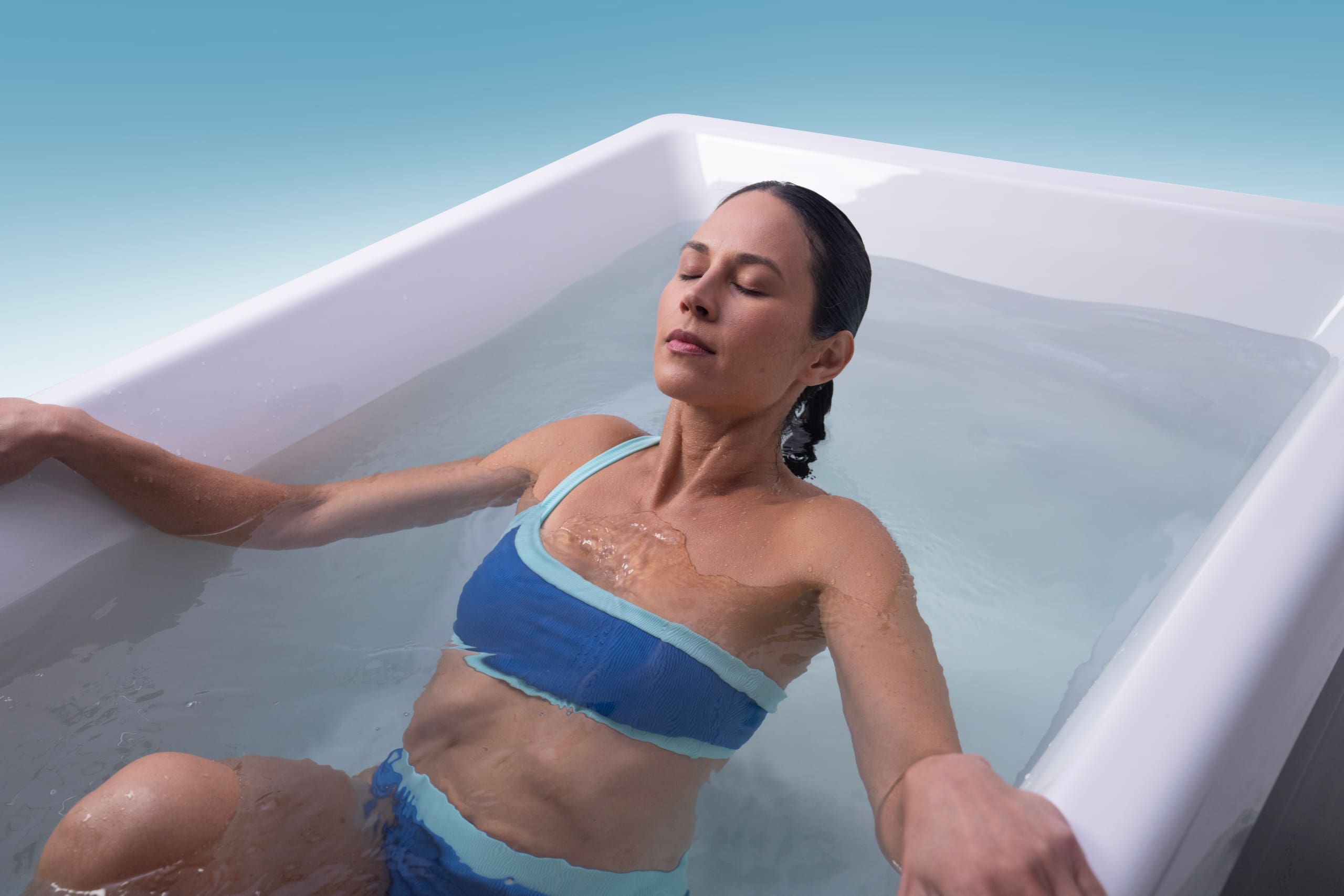
Cold plunging is the practice of immersing your body in cold water for brief periods, but does it affect longevity? And, cold plunging has surged in popularity as a part of wellness routines around the world.
This leads many to wonder how a cold plunge affects longevity. We look at the answer in this post.
From elite athletes to everyday wellness seekers, people turn to cold water immersion not just for recovery, but for claims that it can extend life and promote long-term health.
But what does the science really say about how a cold plunge affects longevity? Here, we break down the current research so you can understand the potential impacts on your health and aging.
The Definition of Longevity
First, it’s important to clarify what “longevity” means. Longevity refers to how long you live, but it also includes your healthspan. This is the period of your life spent free from chronic disease and functional decline.
Few lifestyle practices directly increase human lifespan in controlled trials, and cold plunging is no exception. However, cold immersion influences several biological pathways and physiological processes that are linked to aging and long-term health.
The Cellular Mechanics
One of the key ways cold exposure may influence aging is at the cellular level. Your cells are constantly managing damage from daily metabolic processes. Removing damaged proteins and organelles is critical for maintaining healthy function as you age.
A process called autophagy — the body’s internal cleaning mechanism — declines with age, contributing to aging and disease.
Recent research suggests that repeated cold exposure can enhance autophagic function. A study from the University of Ottawa found that consistent immersion in cold water over several days improved autophagic responses in cells. It means that your cells may be better equipped to clear damage and cope with stress. This improved cellular resilience is one of the mechanisms researchers believe may support better long-term health and, indirectly, longevity.
While this work is promising, it’s early. Most studies of cold exposure and autophagy are small or limited to short time periods. And we still don’t have definitive evidence that cold plunges directly lengthen human life.
But the good news is that activating cellular maintenance systems, such as autophagy, is associated with slower aging and better health outcomes in other contexts, such as calorie restriction and exercise.
Reducing Inflammation Through Cold Exposure
Chronic inflammation happens when your body is in a perpetual state of low-grade inflammatory activity. It’s a major driver of aging and age-related diseases like heart disease, diabetes, and neurodegeneration.
Cold exposure triggers acute physiological responses that can temporarily reduce inflammation after immersion. Cold temperatures cause blood vessels at the skin’s surface to constrict, pushing blood toward the core and helping reduce swelling or acute inflammation in tissues.
Some research reviews show that cold water immersion can reduce markers of inflammation and improve recovery after exercise, and may lower short-term stress markers. Lower levels of systemic inflammation are consistently linked with better long-term health markers, and interventions that reduce chronic inflammation are often beneficial in aging populations.
Again, while cold plunging supports processes that counteract inflammation, direct evidence that it reduces disease risk over the long term isn’t yet established.
It’s best viewed as a component of a broader anti-inflammatory lifestyle, including diet, exercise, and sleep, rather than a standalone longevity cure.

Metabolic Health and Brown Fat Activation
Another biological pathway relevant to longevity is metabolic health. People may have a reduced risk of type 2 diabetes, cardiovascular disease, and many age-related conditions with better metabolic regulation. This also includes improved insulin sensitivity and healthy weight management.
Cold exposure activates a type of body fat called brown adipose tissue (BAT). Unlike white fat, which stores energy, brown fat burns energy to generate heat, especially when stimulated by cold temperatures.
Activation of brown fat increases metabolic rate and is linked to better glucose regulation.
This metabolic effect doesn’t directly equate to longer life, but it contributes to a healthier metabolic profile, which can support longevity by lowering disease risk over the long run.
Research on cold exposure and metabolic health is ongoing, but the evidence supports a connection between regular cold immersion and improved metabolic markers in some individuals.
Balancing Benefits with Practical Considerations
Cold plunging offers a range of acute benefits from reduced stress and improved mood to better circulation and recovery. These factors are components of a lifestyle that supports healthy aging. But it’s critical to interpret longevity claims with nuance.
Large-scale human studies demonstrating that cold immersion extends lifespan simply don’t exist yet. While cold exposure can favorably influence inflammation, metabolic regulation, and antioxidant defenses, the evidence linking these changes to actual increases in lifespan is still insufficient.
However, cold plunging may contribute to your overall anti-aging strategy when used safely and consistently.
Interested in incorporating cold therapy into your routine? Start gradually. Monitor how your body responds, and consider how it fits with your other health habits.
The Bottom Line: Consider Cold Plunges as Part of a Broader Longevity Strategy
A cold plunge isn’t a magic bullet for living longer, but emerging science shows it can positively influence biological processes associated with aging, from cellular cleanup systems to inflammation and metabolism.
Integrating cold immersion thoughtfully with exercise, nutrition, stress management, and sleep may support your long-term health and vitality.
If you decide to include cold plunges in your wellness regimen, focus on consistency rather than extremes. Moderation and safety, especially for individuals with cardiovascular conditions, should guide how you integrate this practice into your lifestyle. Finally, always check with your physician before starting your cold plunging journey.